
For decades, the Triple-A gaming industry sold us on one promise: bigger. Bigger budgets. Bigger worlds. Bigger teams. Bigger marketing campaigns. Bigger expectations. This week that promise may have finally collided with reality.
Microsoft’s Xbox division announced another major restructuring, shedding thousands of jobs while divesting multiple studios in an effort to simplify its business and focus on fewer, more profitable franchises. Just days earlier, Sony confirmed that beginning in 2028 it will cease production of physical PlayStation games entirely, embracing a fully digital future after years of digital sales overtaking retail. Neither announcement exists in a vacuum. Together, they paint a picture of an industry that is changing faster (and more dramatically) than many of us expected.
The question isn’t whether gaming is changing. It’s whether the era of traditional Triple-A gaming is coming to an end.
The Budget Problem
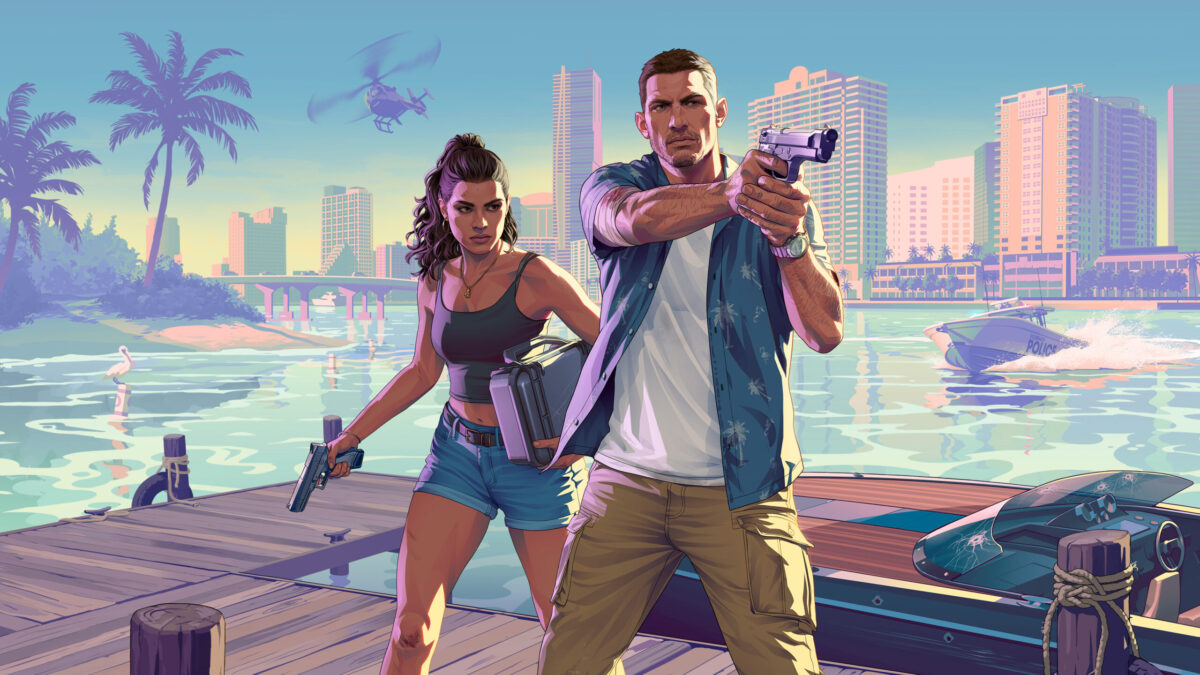
Triple-A games have become victims of their own success. Think about it – twenty years ago, a blockbuster game might have cost $20–40 million to produce. Today, we’ve seen many flagship releases easily exceed $200 million, with some reportedly approaching or surpassing half a billion dollars with marketing is included. Even games that shouldn’t need a marketing budget like GTA VI or the latest Call of Duty slop, spend more than the game’s development costs in advertising. That creates a dangerous equation for the games that are just as big (and in some cases better) but with a much lighter name recognition.
When a game costs that much to make, it doesn’t just need to be good. It needs to become one of the biggest entertainment launches of the year.
Every. Single. Time.
One disappointing launch can wipe out years of development, trigger layoffs, cancel sequels, and close entire studios. We’ve watched it happen repeatedly over the past several years. Even critically acclaimed games sometimes aren’t “successful enough” because the expectations have become almost impossible to meet (we’re looking at you, Luna Abyss). Which of course leads many of these huge publishers to take much less risk on new IP without that established panache. It is a self inflicted catch-22 and game developers are the victims.
Xbox Hits Reset
Microsoft’s latest restructuring feels less like panic and more like acceptance. After spending years acquiring studios at an unprecedented pace, Xbox is now moving in the opposite direction by streamlining operations, reducing management layers, and concentrating on projects that can deliver sustainable returns.
For developers, that’s unsettling. For investors, it’s understandable.
For players, it signals that even one of the largest companies on Earth believes the current model isn’t working. That’s a remarkable admission and the true measure of what’s still to come across the industry.
The Death of Physical Ownership
Sigh…and now this.
Starting in 2028, new PlayStation games will no longer receive physical disc releases. Sony’s announcement may be even more symbolic. For many players, this isn’t simply about discs. It’s about ownership. We’ve been through this before not that long ago. Sony themselves made fun on Xbox with the whole “sharing games with your friends” skit. Physical games could be traded! Collected, even! Games could be preserved for decades. Hell, I still have all my childhood NES games sitting on a shelf. I love that I have those. Don’t get me wrong, most of the games I buy these days are digitally purchased. Digital purchases offer undeniable convenience. They prey on my impulse buying with algorithmic precision. There is no doubt it has been a positive additive to the way we consume media, but it also shift more control to platform holders. Way too much control…
You no longer own a shelf of games. You own licenses tied to an account. You. Own. Nothing.
For collectors, preservationists, and anyone who remembers buying games at midnight launches, this marks the end of an era. And all to save a few dollars for a few billion dollar companies. This fight seems to only be in its infancy as multiple petitions have been floating around and boycotts threatened in every corner of the internet. Do not be shocked if, at least in the United States, we see some legislation targeted at these mega corporations to shift ownership of digital goods back in the favor of the consumers. Only time will tell on that one, but as budgets continue to rise and shareholder’s continue to salivate at profit margin possibilities, this will likely get worse before it gets better.
The Rise of AA
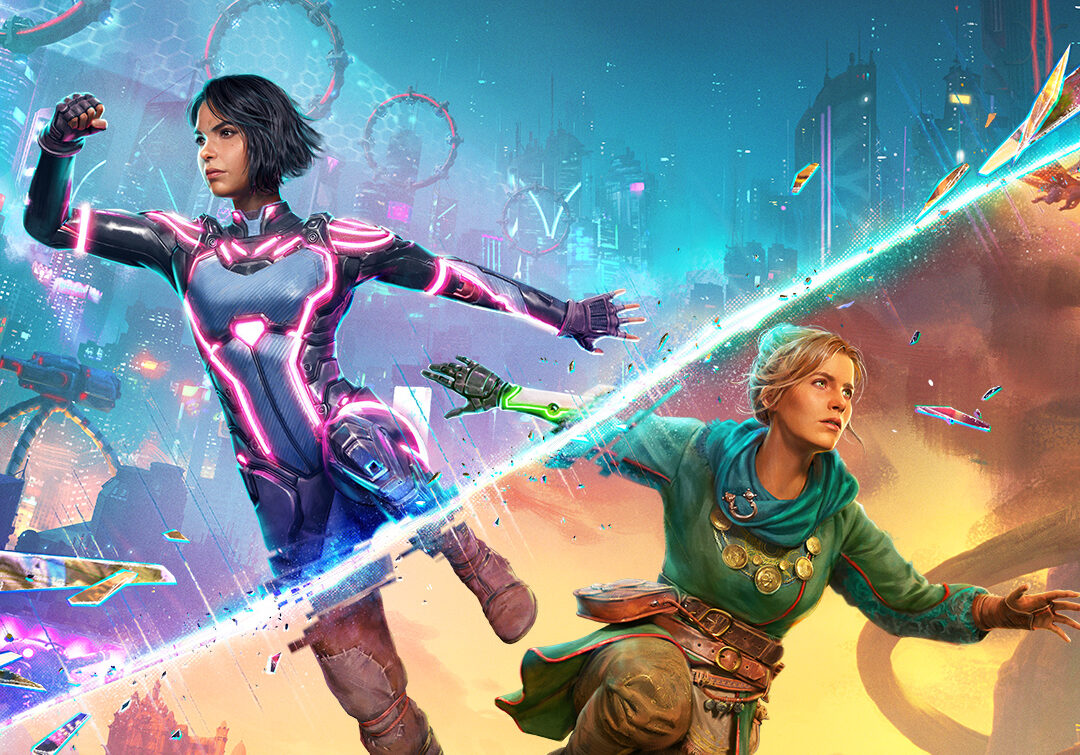
Ironically, this upheaval may create opportunities elsewhere. While Triple-A budgets continue to balloon, we’re seeing an explosion of incredible mid-sized games. Studios with 20 to 100 developers are creating experiences that rival—or sometimes surpass—the creativity of blockbuster releases. Games like Clair Obscur: Expedition 33, Split Fiction, and Balatro have shown that players care more about memorable experiences than astronomical budgets. Meanwhile, indie developers continue proving that innovation doesn’t require hundreds of millions of dollars. Sometimes it just requires a great idea.
Triple-A Isn’t Dying…
Triple-A sure as hell isn’t going anywhere…but it is evolving. There will always be room for games like Grand Theft Auto VI, The Elder Scrolls VI, or the next Mario. These massive tentpole releases aren’t disappearing. If anything, they could become even larger cultural events. The difference is what exists between them. The games between the games.The days when publishers could comfortably fund dozens of massive projects simultaneously is done. Instead, we may see fewer blockbuster games, released less frequently, while smaller studios fill the gaps with creativity and experimentation. That isn’t necessarily bad. In fact, it might be healthier.
What Comes Next?
Gaming has always reinvented itself. We survived the arcade crash. The console wars. The rise of mobile. The explosion of free-to-play. Cloud gaming. Subscription services. Whatever the hell the Virtual Boy was…Every generation claims gaming is changing forever. And yes, usually, they’re right. Even if some of them are a couple of decades ahead of the curve. Seriously, Virtual Boy…you could have went with blue.
Today’s headlines don’t mean Triple-A gaming is dead. They do suggest that the model that defined the last fifteen years – a relentless pursuit of bigger budgets, bigger teams, and bigger risks – is reaching its limit. Perhaps the future isn’t about making games larger. Perhaps it’s about making them smarter. If that’s where the industry is headed, the next golden age of gaming may not belong exclusively to the biggest publishers. It may belong to the developers willing to prove that great games don’t need the biggest budgets. They just need the biggest ideas. It may mean more games like Returnal and Stray in lieu of the next attempt at a Fable reboot. Either way you slice it – indie developers and the mid tier studios are staring at a wide open window of opportunity to change things for the better.